Difference Between Modular & Semi-Modular Kitchen
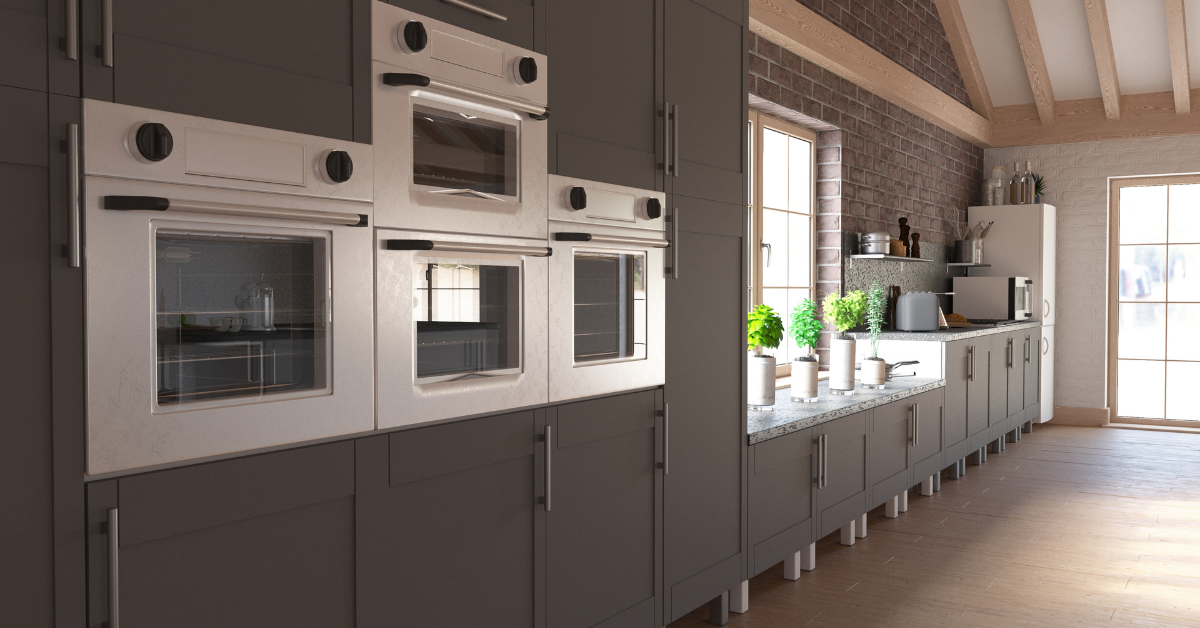
When designing a new kitchen, homeowners often get confused between modular and semi-modular kitchens. Both options are popular in modern homes, but they differ in construction style, cost, durability, customization, and installation process.
Understanding these differences will help you choose the right kitchen type based on your space availability, budget, lifestyle, and long-term maintenance preferences.
What is a Modular Kitchen?
A modular kitchen is a fully factory-manufactured kitchen system made up of pre-designed cabinet modules. These units are produced in controlled factory environments and then transported to the site for quick installation.
Since all components are machine-made, modular kitchens offer precise finishing, uniform quality, and a sleek modern look. They come with smart storage accessories such as pull-out trays, carousel units, tall pantry systems, and soft-close drawers.
What is a Semi-Modular Kitchen?
A semi-modular kitchen combines traditional on-site construction with modular elements. The basic structure such as the countertop platform is built on-site using civil work, and shutters or cabinets are added later.
This option works well in homes where the kitchen platform already exists and only storage units or external finishes need upgrading.
Detailed Comparison
➤ Manufacturing Process: Modular kitchens are factory-produced, ensuring consistent quality. Semi-modular kitchens rely partly on on-site labor.
➤ Installation Time: Modular kitchens are faster to install because components are pre-built. Semi-modular kitchens take longer due to civil construction.
➤ Customization Flexibility: Semi-modular kitchens allow more on-site customization, while modular kitchens follow predefined module sizes.
➤ Cost Factor: Modular kitchens are generally higher in cost due to factory precision and branded accessories. Semi-modular kitchens are more economical.
➤ Durability: Modular kitchens offer better durability with machine finishing. Semi-modular durability depends on workmanship quality.
➤ Repair & Maintenance: Modular units can be dismantled and repaired easily. Semi-modular kitchens may require partial reconstruction.
➤ Aesthetic Appeal: Modular kitchens provide a sleek and contemporary appearance. Semi-modular kitchens may look traditional depending on design.
➤ Relocation Possibility: Modular kitchens can be dismantled and reinstalled in a new home. Semi-modular kitchens are fixed structures.
Advantages of Modular Kitchen
• Elegant and modern design
• Factory precision finishing
• Efficient storage accessories
• Quick installation process
• Easy dismantling and upgrading
Advantages of Semi-Modular Kitchen
• Lower overall cost
• Flexible during construction
• Suitable for existing kitchen platforms
• Easier minor design adjustments
Which Kitchen is Best for You?
If you are building a new home and want a premium, contemporary kitchen with advanced storage solutions, a modular kitchen is a better choice.
If you are renovating an existing kitchen and want a cost-effective solution without breaking the base structure, a semi-modular kitchen may be ideal.
Long-Term Consideration
While semi-modular kitchens save money initially, modular kitchens often provide better long-term value due to superior finishing and ease of maintenance. Consider your future plans, relocation possibilities, and durability expectations before making a final decision.
Final Thoughts
Both modular and semi-modular kitchens serve different needs. Your final choice should depend on budget, space condition, lifestyle, and design expectations. Careful planning and professional guidance ensure your kitchen is functional, durable, and visually appealing.